What is the real difference between a cafe, QSR, and cloud kitchen?
The simplest way to compare these three formats is to ask where the customer experiences the brand.
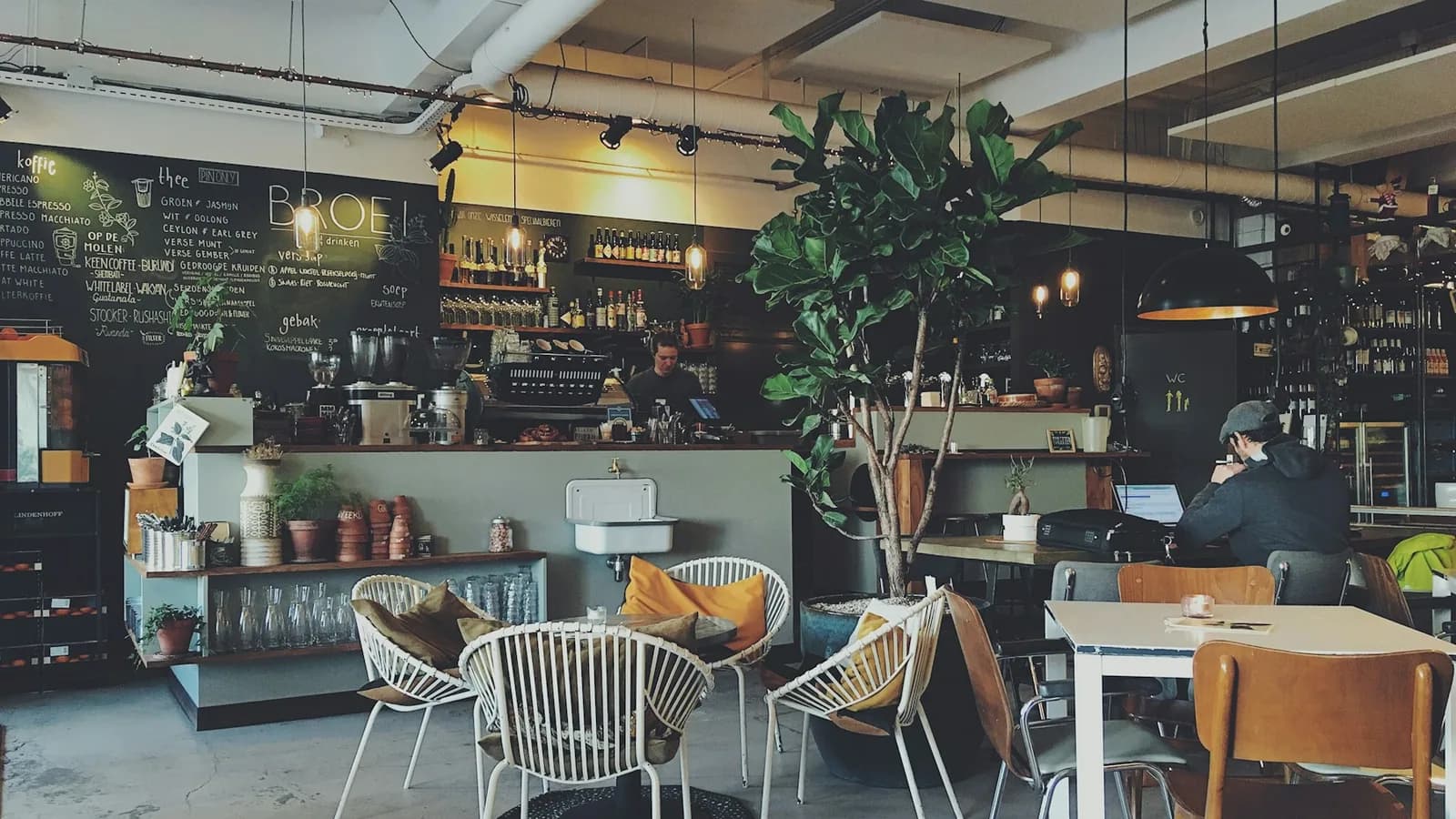
- A cafe sells atmosphere along with food and beverages. Seating, dwell time, design, and repeat neighborhood traffic matter almost as much as the menu.
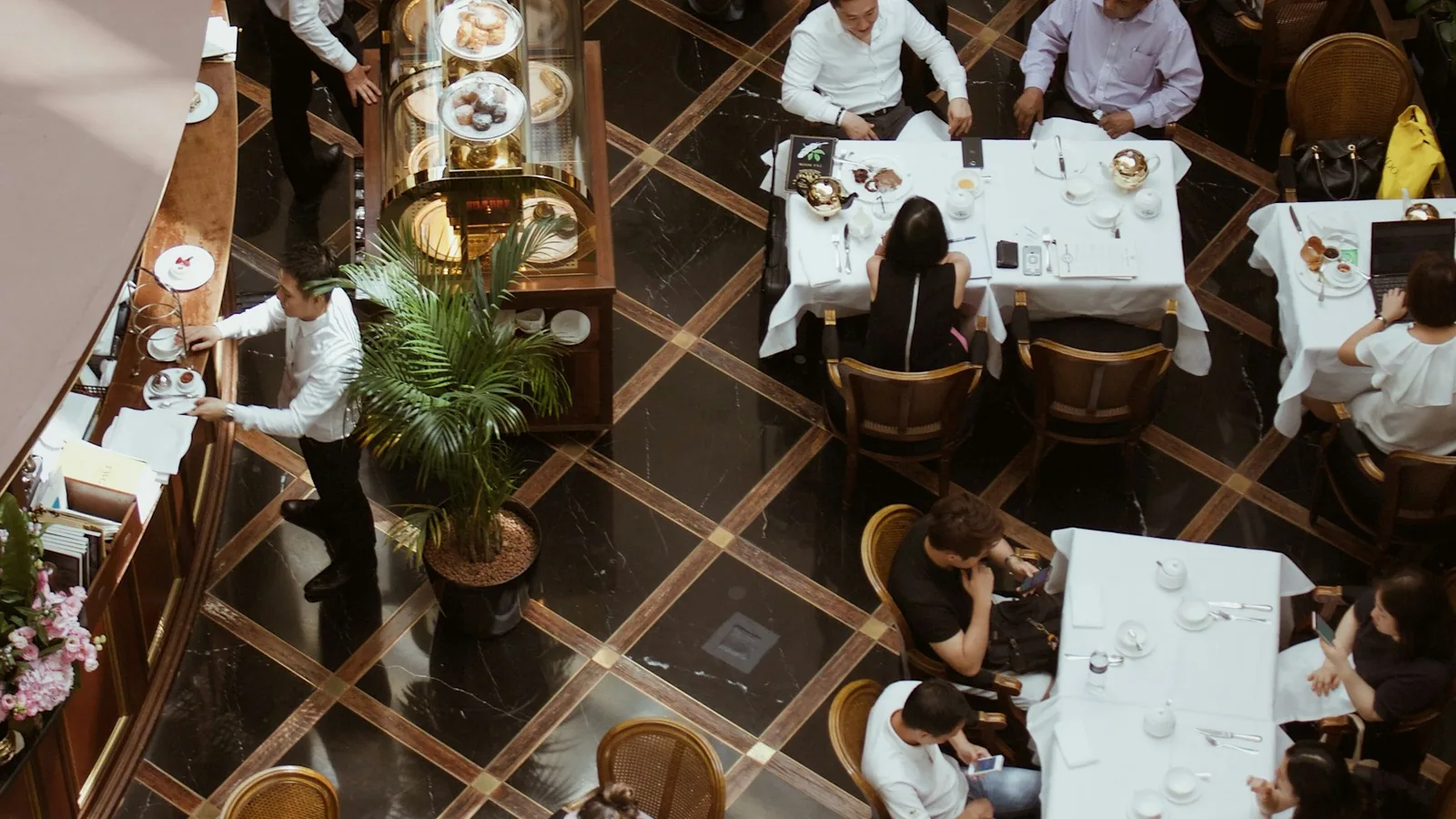
- A QSR sells speed, standardization, and throughput. Customers expect a short menu, fast service, visible value, and easy repeatability across locations.
- A cloud kitchen sells convenience without a dine-in experience. The customer mostly meets the brand through marketplaces, packaging, ratings, and delivery time.
In India, that difference changes everything from rent strategy to staffing to working capital. A founder choosing between them is not only choosing a menu. They are choosing a cost structure, a demand channel, and a risk profile.
How much CAPEX does each format usually need in India?
For an owner-operated launch in an Indian metro or fast-growing Tier 2 city, these are reasonable starter ranges:
| Factor | Cafe | QSR | Cloud kitchen |
| --- | --- | --- | --- |
| Typical startup CAPEX | ₹12-35 lakh | ₹18-60 lakh | ₹6-20 lakh |
| Front-of-house fit-out | High | Medium | Nil to low |
| Kitchen equipment | Medium | High for fryers, prep, holding | Medium |
| Seating and ambience spend | High | Low to medium | Nil |
| Security deposit and visible-location rent pressure | High | High | Medium |
A cafe usually needs more money upfront because guests judge it on seating, lights, frontage, and comfort. Even a compact 25-40 seater can burn cash on interiors before the first cappuccino is sold.
A QSR can sometimes spend more than a cafe if the format depends on high-output frying, cold-chain storage, illuminated signage, and prime street visibility. The benefit is that the layout is engineered for speed, not lingering.
A cloud kitchen often wins the CAPEX race because it removes dine-in design, guest washrooms, and high-street frontage. But low CAPEX does not mean low complexity. Packaging stations, dispatch workflow, and aggregator readiness still require disciplined setup.
Every format also needs compliance and food safety basics through systems such as FSSAI FoSCoS, plus local trade and fire requirements where applicable.
How do labor and daily operations change by format?
Labor is where many first-time founders misread the model.
A cafe looks simple because beverage SKUs can be narrow, but labor intensity rises when the promise includes hospitality. You need people who can handle coffee, billing, table upkeep, upselling, and guest recovery. Even a small cafe may need 5-10 people across shifts once weekly offs and extended hours are considered.
A QSR is usually built around process discipline. Labor can be more productive because service is standardized, but the operation becomes very sensitive to training drift. If prep charts slip, one slow hour can wreck the whole evening rush. A single outlet commonly runs with 8-16 people depending on menu width, dine-in share, and delivery volume.
A cloud kitchen can run leaner, often with 4-10 people at launch, because there is no front-of-house team. But the kitchen team must be stronger on prep accuracy, packing discipline, and order timing. A cloud kitchen that saves on cashiers can lose the same money through refunds, cold food, or poor dispatch coordination.
This is also where systems matter. Whether you choose a cafe, QSR, or cloud kitchen, menu engineering, recipe costing, KOT flow, and inventory variance become easier when the operation is built on reliable restaurant POS software instead of spreadsheets and handwritten prep sheets.
How dependent is each format on delivery apps?
This may be the most important strategic difference.
A cafe is usually the least dependent on delivery apps because part of its value comes from place and habit. Office-goers, students, and neighborhood regulars can create recurring walk-in demand. Delivery helps, especially for beverages, desserts, and breakfast combos, but it is rarely the full business.
A QSR sits in the middle. Strong QSR brands can split demand between walk-ins, takeaways, and delivery. In India, many QSR operators still get a significant share of order flow from marketplaces, but they are not fully trapped if the location and signage are strong.
A cloud kitchen is the most delivery-dependent by design. That creates reach without a storefront, but it also creates platform risk. If commissions, rankings, sponsored listing costs, or delivery-service quality worsen, the kitchen feels the impact immediately. Marketplace-led restaurant demand has become a structural part of urban food commerce in India, which is why operators monitor channels such as Swiggy for Restaurants and Zomato for Business.
As a working rule:
- Cafe: delivery dependence often 10-35% of sales
- QSR: often 30-60% of sales
- Cloud kitchen: often 70-95% of sales
These are not hard rules, but they are useful planning bands for India when choosing packaging budgets, ad-spend buffers, and aggregator commission assumptions.
What margins can founders realistically expect?
Margins depend on rent, menu mix, and city, but broad operator math helps.
| Metric | Cafe | QSR | Cloud kitchen |
| --- | --- | --- | --- |
| Typical gross margin after food cost | 60-72% | 55-68% | 50-65% |
| Typical EBITDA potential at stable scale | 12-20% | 15-22% | 8-18% |
| Delivery commission exposure | Low to medium | Medium | High |
| Payback speed if execution is good | Moderate | Fast to moderate | Fast, but volatile |
A cafe can show healthy gross margins, especially on beverages, but EBITDA gets squeezed by rent and labor if average ticket size stays low. A beautiful room with weak table turns becomes expensive quickly.
A QSR often has the strongest economics when volumes build because throughput is higher and labor can be standardized. If the brand gets location, menu architecture, and speed right, QSR is usually the easiest model to scale into multiple outlets.
A cloud kitchen looks asset-light, but margin leakage is common. If delivery commissions plus discounts plus packaging eat 18-30% of order value, the founder may discover that strong gross sales still convert into thin cash profit. Cloud kitchens can work very well, but only when contribution margin is tracked order by order.
Which format carries the most risk in 2026?
Each model has a different failure mode.
Cafe risk: high fixed-cost risk. If rent is ₹2-5 lakh per month and the outlet needs strong daily footfall to justify ambience spend, one weak season can pressure cash quickly. Cafes are most exposed to wrong location choices and low repeat visits.
QSR risk: execution and consistency risk. QSR fails when ticket size, speed, and standardization do not match the rent burden. The model is unforgiving when founders overbuild the menu or allow prep quality to vary by shift.
Cloud kitchen risk: channel concentration risk. It is the easiest format to start, but often the easiest to copy. If 80%+ of demand comes from two apps, then algorithm changes, discount wars, poor ratings, or rising ad costs can hurt overnight.
For many first-time operators in India, the biggest trap is choosing the format that is cheapest to launch rather than the one they can operate best for 24 months.
How should you decide between a cafe, QSR, and cloud kitchen?
Use this simple decision framework:
| If your advantage is... | Best-fit format | Why |
| --- | --- | --- |
| Great location, strong hospitality, beverage-led menu | Cafe | You can monetize experience, repeat visits, and higher-margin drinks |
| Repeatable fast menu, high lunch/dinner throughput, expansion ambition | QSR | Standardization and speed create the clearest scaling path |
| Sharp digital marketing, delivery-first menu, lean capital base | Cloud kitchen | You can test demand faster without paying for dine-in ambience |
| Premium neighborhood brand-building with community events | Cafe | The room itself is part of the product |
| Multi-brand experimentation from one production setup | Cloud kitchen | Shared infrastructure lowers test cost |
| Franchise-style operating playbook | QSR | SOPs and training systems travel best |
One more practical filter helps:
- Choose cafe if you can afford slower payback in exchange for brand depth and walk-in loyalty.
- Choose QSR if you want the strongest balance between controllable operations and scale.
- Choose cloud kitchen if capital is tight and you can manage channel dependence with ruthless unit economics.
None of these formats is universally better. In India, the right answer is usually the format that matches your rent budget, managerial bandwidth, and go-to-market advantage, not the one that looks trendiest on social media.
What is the most founder-safe default?
If a first-time operator has some capital, wants to build a long-term brand, and can execute SOPs well, QSR is often the safest default. It usually offers better scale logic than a cafe and less platform dependence than a cloud kitchen.
If capital is limited and the founder already understands performance marketing, packaging, and aggregator math, a cloud kitchen can be a smart test bed. Just avoid mistaking top-line GMV for durable profit.
If the founder has access to a standout site and a community-led concept, a cafe can create stronger brand equity than either alternative, but only if seat utilization and average ticket size are modeled conservatively.
If you want a simple format-choice worksheet based on your city, menu, and rent budget, message TasteIQ on WhatsApp.