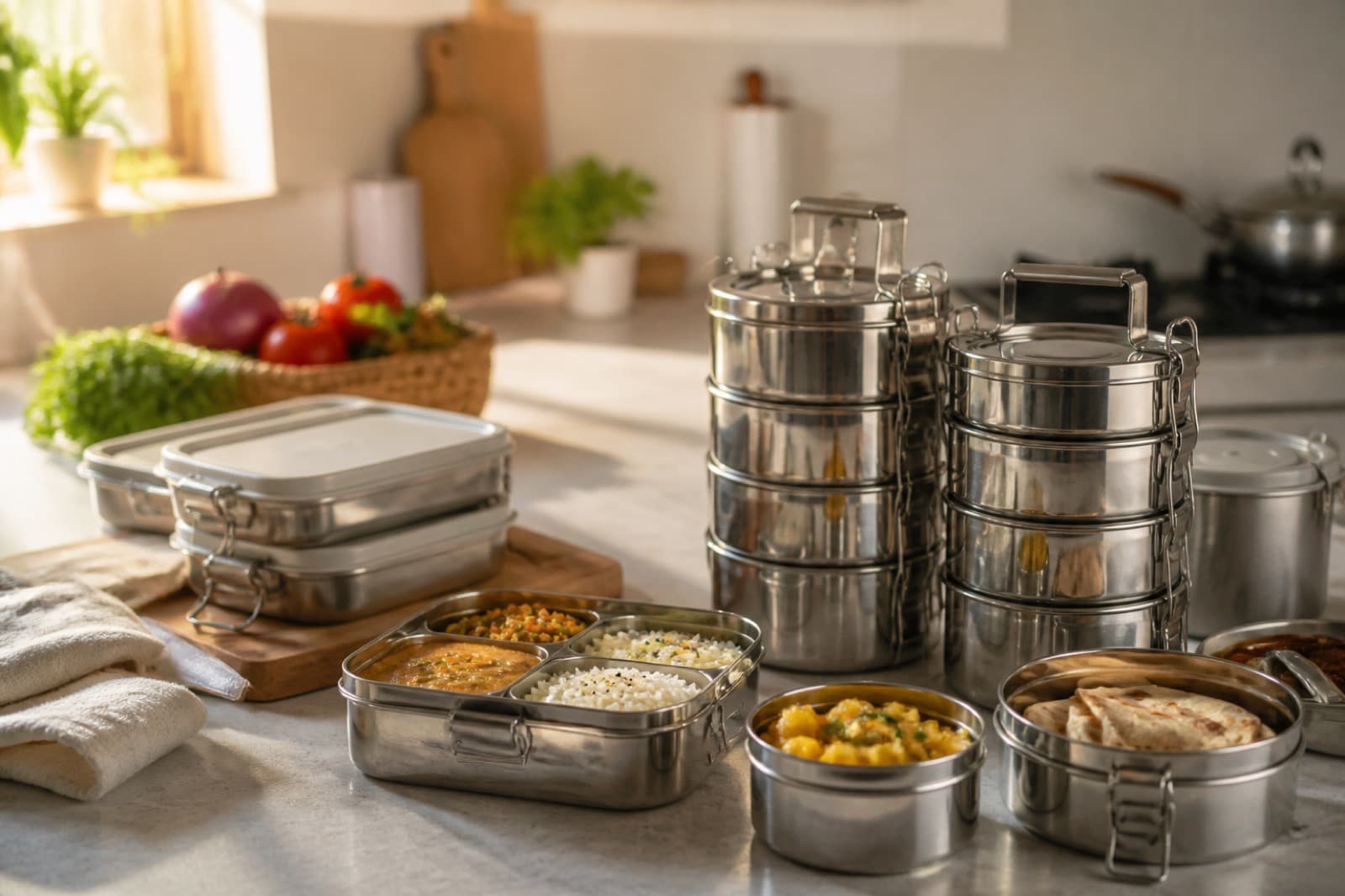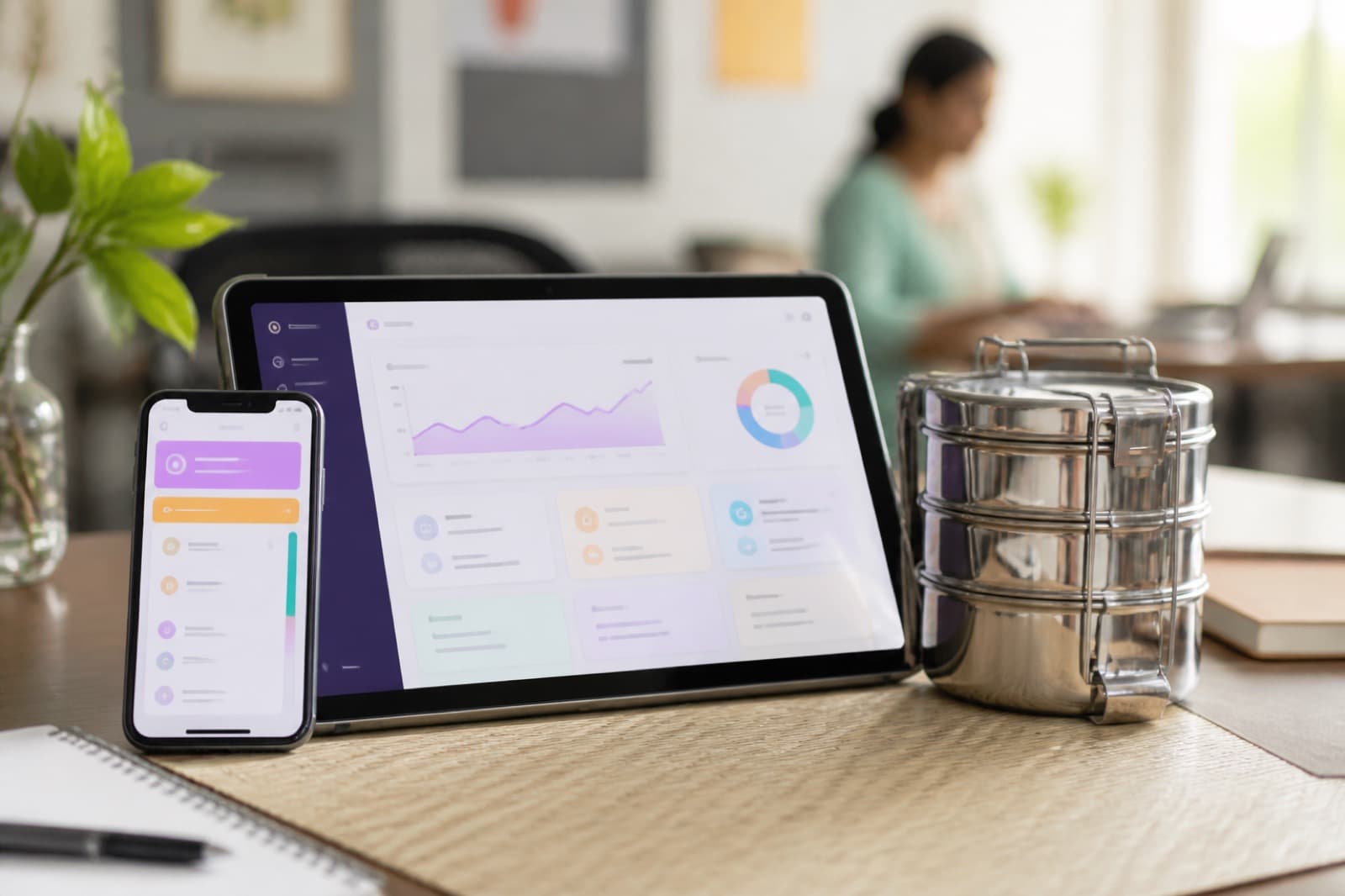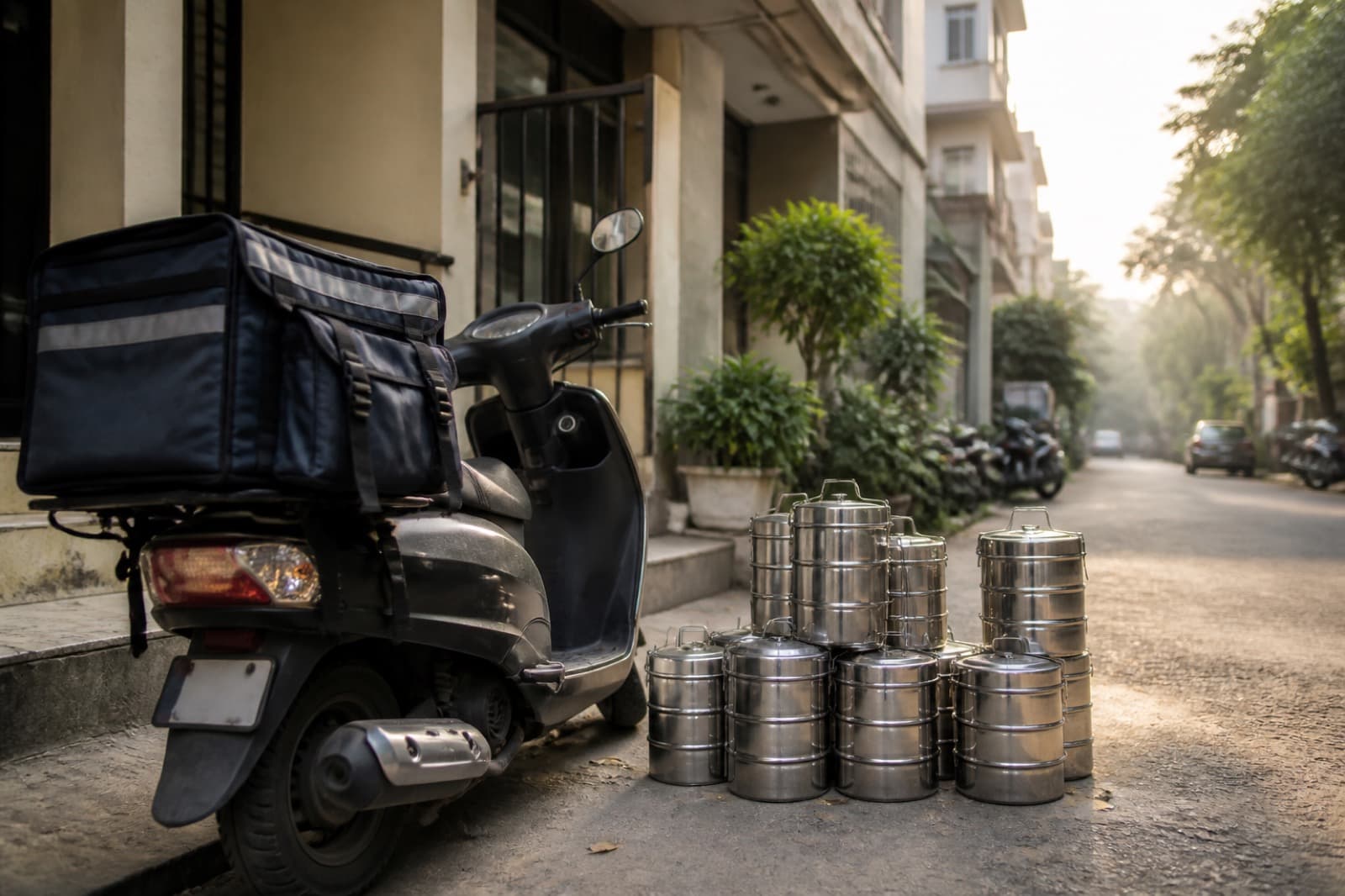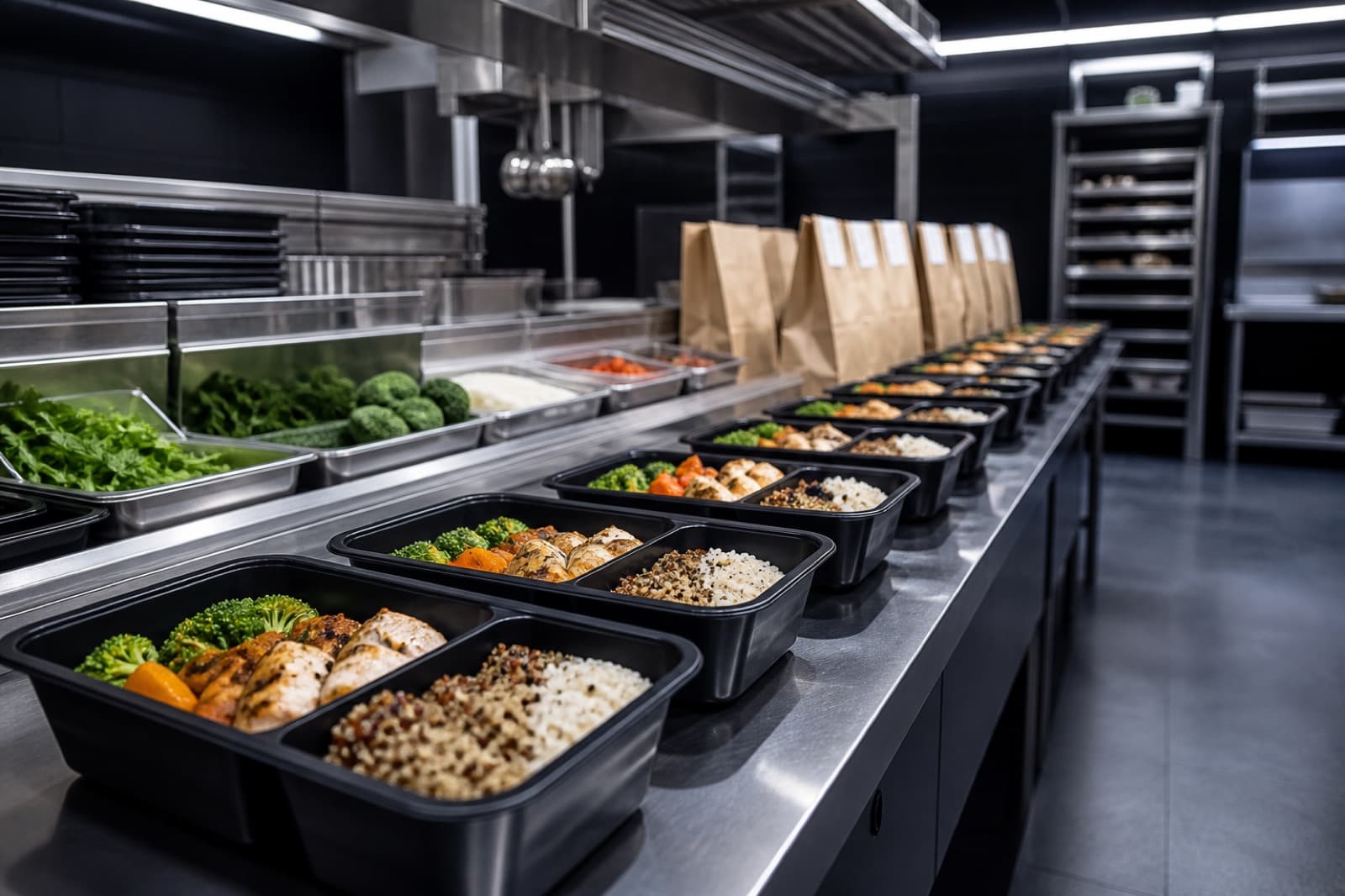
Your daily Swiggy regulars are already a subscription business
Open your last 90 days of marketplace orders and filter for customers who ordered three or more times a week from the same cloud kitchen brand. Those people are not “loyal app users.” They are meal subscribers who never got a plan.
They already know your thali. They already trust your packaging. They already budget a lunch slot for you. What they lack is a branded way to pay monthly, pause when they travel, and reorder without fighting rankings, ads, and cart fatigue on someone else’s marketplace.
That gap is the cloud kitchen subscription opportunity in India. It is not a fad layered on top of delivery apps. It is the natural next step when a dark kitchen’s demand is predictable enough to forecast prep—and expensive enough on aggregator commissions that every rupee of recurring revenue deserves to live under your brand.
This guide is for cloud kitchen operators who feel stuck on aggregator tax and want a practical path to recurring tiffin revenue on their own channel—without pretending they can abandon marketplaces overnight.
What “cloud kitchen subscription” actually means
A cloud kitchen subscription is a meal subscription business run from a delivery-first kitchen: customers pay for a plan (weekly or monthly breakfast, lunch, and/or dinner), you cook against a known headcount, and delivery happens through your own riders, contracted staff, or a mix—not only through marketplace logistics.
It differs from marketplace volume in three ways:
- Commitment replaces discovery. You stop paying the same acquisition tax every single day for the same hungry person.
- Prep becomes forecastable. Pause and skip data tell you who eats tomorrow before the burners go on.
- The brand owns the relationship. WhatsApp groups and invoice history live with you, not inside a partner dashboard.
In India, this model shows up as homemade tiffin brands, office-lunch plans, PG and society dabba routes, and multi-SKU cloud kitchens that keep Swiggy or Zomato for discovery while moving regulars onto a branded plan. The goal is not “zero commission forever on every channel.” The goal is lower dependence: marketplaces for reach, your subscription channel for margin and retention.
Why aggregator-heavy cloud kitchens feel profitable until they do the math
Typical industry commission bands for restaurant partner programs on major Indian food marketplaces often sit in a roughly 20–30% range of order value, before you stack sponsored listings, deep discounts, packaging upgrades, and refund leakage. Exact rates vary by city, category, and commercial agreement—treat these as directional industry bands, not TasteIQ claims or a quote for your kitchen.
That band matters because cloud kitchens usually lack dine-in to dilute platform exposure. When 70–95% of tickets already flow through apps (a common planning band for delivery-only formats), commission is not a side cost. It is the largest controllable leak after food cost.
Here is a simple contribution-margin example for one weekday lunch order at ₹220 ticket size. Numbers are illustrative for operator modeling only.
| Line item | Marketplace one-off order | Branded subscription delivery |
| --- | --- | --- |
| Customer pays | ₹220 | ₹220 (plan day equivalent) |
| Food + packaging (assume) | ₹88 (40%) | ₹88 (40%) |
| Typical marketplace commission band (25% of ticket) | ₹55 | ₹0 on this own-channel order |
| Delivery / rider allocation (assume) | Bundled in platform economics | ₹25 (own or third-party staff) |
| Payment / ops overhead (assume) | ₹5 | ₹8 |
| Contribution before fixed kitchen costs | ₹72 | ₹99 |
On this directional example, the own-channel day keeps about ₹27 more per meal before rent and labor. Over 120 weekday lunches a month for the same cohort of regulars, that is meaningful cash—without inventing a “TasteIQ savings percentage.” Your kitchen’s real gap depends on your actual food cost, rider rates, and negotiated marketplace terms.
Two caveats keep this honest:
- You still need acquisition. Moving a regular off an app may take a QR on the box, a plan discount for first month, or a WhatsApp invite. That cost should be amortized across months of subscription, not compared to a single app order.
- Marketplaces can still help. New neighborhoods, surge days, and brand discovery remain useful. Own channel reduces aggregator dependence; it does not magically erase it.
If you want to “escape Swiggy commission” as a slogan, refine it to: escape paying commission on customers who already decided you are their default lunch.
How to launch meal plans under your cloud kitchen brand
Treat the launch like a product release, not a menu tweak.
1. Name the offer around routine, not SKUs
Subscribers buy a habit: “weekday lunch,” “PG dinner,” “office desk thali.” Lead with the routine and dietary rules (veg, Jain, high-protein) before listing every side dish. A cloud kitchen subscription sells reliability more than novelty.
2. Price the plan against monthly reality
Back into price from what a regular already spends on your brand via apps, then show a clear reason to switch—priority packing slots, locked weekly menu, or fewer service fees—not a race to the bottom. Preserve contribution margin; do not gift away the entire commission you just escaped.
3. Define pause, resume, and skip before you sell the first plan
Without rules, subscription becomes customer-service debt. Publish:
- How many pause days per billing cycle
- Cutoff time for next-day skip
- Whether paused days extend the plan or credit the wallet
- What happens on festivals and kitchen holidays
Operators who skip this step recreate the WhatsApp argument they were trying to leave.
4. Pick a delivery model you can staff on day one
Own fleet works when density is tight (one society cluster, one tech park corridor). Third-party delivery staff work when volume spikes or geography widens. Many kitchens start hybrid: core PINs with own riders, overflow with contracted staff—same packing list either way.
5. Keep a discovery channel open
Leave a focused marketplace presence for new customers while your branded website and ordering app convert regulars. Print the plan link on stickers, invoices, and bag seals. Every marketplace bag can advertise the exit ramp.
6. Instrument kitchen ops for plan volume
Subscription demand concentrates lunch prep. You need KOT clarity, batch cooking lists, GST-ready invoices for corporate or serious retail customers, and a daily assignment view for riders. Spreadsheets break the week you hit a few hundred active plans.
Ops that make pause and resume work in a real kitchen
Pause/resume is not a marketing feature. It is a production signal.
When a subscriber pauses for a village trip, tomorrow’s prep count must drop automatically. When they resume, they should land on the next delivery window without a human rewriting a notebook. Skip-a-day should remove one dabba without cancelling the month.
Practically, strong meal subscription ops look like this:
- Cutoff discipline. A published time (for example, 8:00 p.m. for next-day lunch) protects the kitchen and trains customers.
- One source of truth. Website, app, and rider list must show the same headcount. Parallel WhatsApp lists create wrong bags and refunds.
- Delivery assignment by route or PIN. Assign riders against today’s active subscriptions, not against yesterday’s memory.
- Exception handling. Festival closures, rain delays, and partial menu swaps need a message path that does not explode into 200 private chats.
- Billing clarity. GST invoices and clear plan status reduce disputes that eat hours for a ₹200 meal.
Cloud kitchens that treat pause as “tell Ramesh on WhatsApp” never scale past the founder’s phone battery.
Where TasteIQ fits as the stack
TasteIQ is software for operators who want to run a meal subscription business in India under their own brand—not a consumer food marketplace, and not a promise that aggregators disappear.
For cloud kitchen and tiffin operators, the stack covers:
- Website + app so customers browse plans and order under your name
- Breakfast, lunch, and dinner plans with built-in pause, resume, and skip
- Delivery assignment for own fleet or third-party delivery staff from one daily list
- GST-ready billing and kitchen workflow including KOT lineage
- Setup measured in about 15 minutes from menu photos, with a 14-day trial
Explore the product angle on the tiffin launcher page, or start a trial at partners.tasteiq.in/signup.
TasteIQ does not invent a guaranteed commission-savings percentage for your P&L. It gives you the operating system so recurring orders can live on your channel—while you decide how much marketplace volume still earns its keep.
A 30-day path from marketplace-heavy to subscription-ready
Use this as a working sequence, not a rigid playbook.
Week 1 — Diagnose regulars. Export repeat buyers. Tag anyone at 3+ orders per week. Estimate how many rupees of GMV already behave like a plan.
Week 2 — Design one hero plan. One cuisine lane, one meal slot, clear pause rules. Resist launching six plans on day one.
Week 3 — Soft invite. Message or sticker the top regulars. Cap early capacity so kitchen quality holds. Run marketplace and branded orders in parallel.
Week 4 — Tighten ops. Freeze cutoffs, assign riders from the subscription list, and review contribution margin on own-channel days versus marketplace days using your real costs.
If contribution on branded deliveries is healthier and customers stay, expand to a second meal slot or a second PIN cluster. If not, fix pricing, packaging, or density before you scale ads.
Who should not force a cloud kitchen subscription yet
Skip or delay the model if:
- Your demand is almost entirely one-off party or late-night novelty orders with no weekly pattern
- You cannot staff reliable delivery in a tight geography
- Food cost and quality swing wildly by shift—subscribers punish inconsistency faster than marketplace strangers
- You expect software alone to create demand without an invite path from existing regulars
Subscription amplifies a kitchen that already has habit demand. It does not invent habit from cold traffic overnight.
Bottom line for cloud kitchen operators in India
If the same faces order from you through Swiggy or Zomato most weekdays, you are already running a cloud kitchen subscription with the worst possible economics: full discovery tax on retained demand.
Move those regulars onto branded meal plans, publish pause/resume rules, and run delivery from a single list. Keep marketplaces for reach if they still win new customers. Measure contribution margin honestly. Then choose software—such as TasteIQ—that makes website, app, plans, GST, KOT, and rider assignment boringly reliable.
Recurring tiffin revenue is not a different business from your cloud kitchen. It is the profitable version of the demand you already have.